
The Five Systems
Vedic Astrology.
Palmistry & More.
SUTRA⁵ brings together five distinct traditions of observation, symbolism and interpretation into one modern experience.
Choose a tradition to learn more.
01
The Cosmic Map
Vedic Astrology / Jyotish
Jyotish uses a birth chart as a framework for traditional interpretation. Your birth date, time and place establish the chart, while planetary placements provide a language for exploring personal themes.
What it examines
- Planetary placements within the zodiac
- The ascendant and the houses of the birth chart
- Relationships between placements and their traditional meanings
What you’ll find in SUTRA⁵
Included in your Life MapYour birth details form the calculated Vedic foundation of your Life Map. The reading connects chart patterns with themes for reflection, helping you consider how those themes relate to your own experience.
Suppose a chart has Libra rising and a Taurus Moon. SUTRA⁵’s symbolic themes pair dialogue and balance with steadiness and grounding. Before a difficult conversation, the reflection could be: “How can I make room for both viewpoints while staying grounded in what matters to me?”

02
The Lines of You
Palmistry
Palmistry interprets the visible features of the hand through traditional symbolic conventions. It starts with observation of the palm, then assigns meaning to its lines, shape and proportions.
What it examines
- Visible palm lines and their patterns
- The overall shape and proportions of the hand
- The relationship between the palm and fingers
What you’ll find in SUTRA⁵
Included in your Life MapYour required palm photo adds a visual perspective alongside the Vedic chart. The palm-reading lens offers traditional interpretations as prompts you can compare with your lived experience. A clear, evenly lit photo helps make the visible features easier to observe.
Imagine a palm photo shows a prominent crease with a visible fork. The reading first describes that feature, then uses the branching shape as a metaphor for alternatives: “When two approaches are available, what helps me choose a path?” The shape supplies the prompt, rather than a fixed personality label.

03
The Ancient Sky
Babylonian Astrology
Rooted in ancient Mesopotamia, Babylonian astrology brings together records of the sky and traditions of omen interpretation. Surviving tablets offer a way to explore how celestial observations were given cultural meaning.
What it examines
- Records of celestial appearances and movements
- Omen interpretations preserved in cuneiform tablets
- The historical context of sky observation
What you’ll find in SUTRA⁵
Educational perspectiveExplore this tradition through educational guides on SUTRA⁵. These introduce surviving records and distinguish a sky observation from the interpretation attached to it. This topic provides historical context and is not a separate lens in the paid Life Map.
The British Museum’s tablet Sp-II.594 preserves an astrological prophecy text. Studying it means separating the celestial conditions described from the outcomes the ancient text associates with them. This shows how sky observations became omens within a particular culture, and gives you a concrete starting point for the guide.

04
The Face as a Mirror
Face Reading
Face reading explores visible facial features and proportions through symbolic interpretation. A photograph captures a particular expression, angle and moment; the reading offers a perspective for personal reflection.
What it examines
- Visible facial features in the supplied photograph
- Facial proportions and their symbolic interpretation
- The appearance captured by the photo’s expression and framing
What you’ll find in SUTRA⁵
Life Map lensYou choose whether to add a face photo and include this lens in your Life Map. Image processing requires consent, and face reading has a separate opt-in at checkout. Your reading can proceed with the required palm photo when you skip this option.
Imagine a front-facing photo shows rounded cheek contours and a more angular jaw outline. The reading describes that contrast, then offers a symbolic prompt about softness and structure: “When giving feedback, how can I stay gentle while being clear?” The prompt uses visible shapes as a metaphor, without assigning character traits.

05
The Sacred Pattern
Kabbalistic / Kabbalah
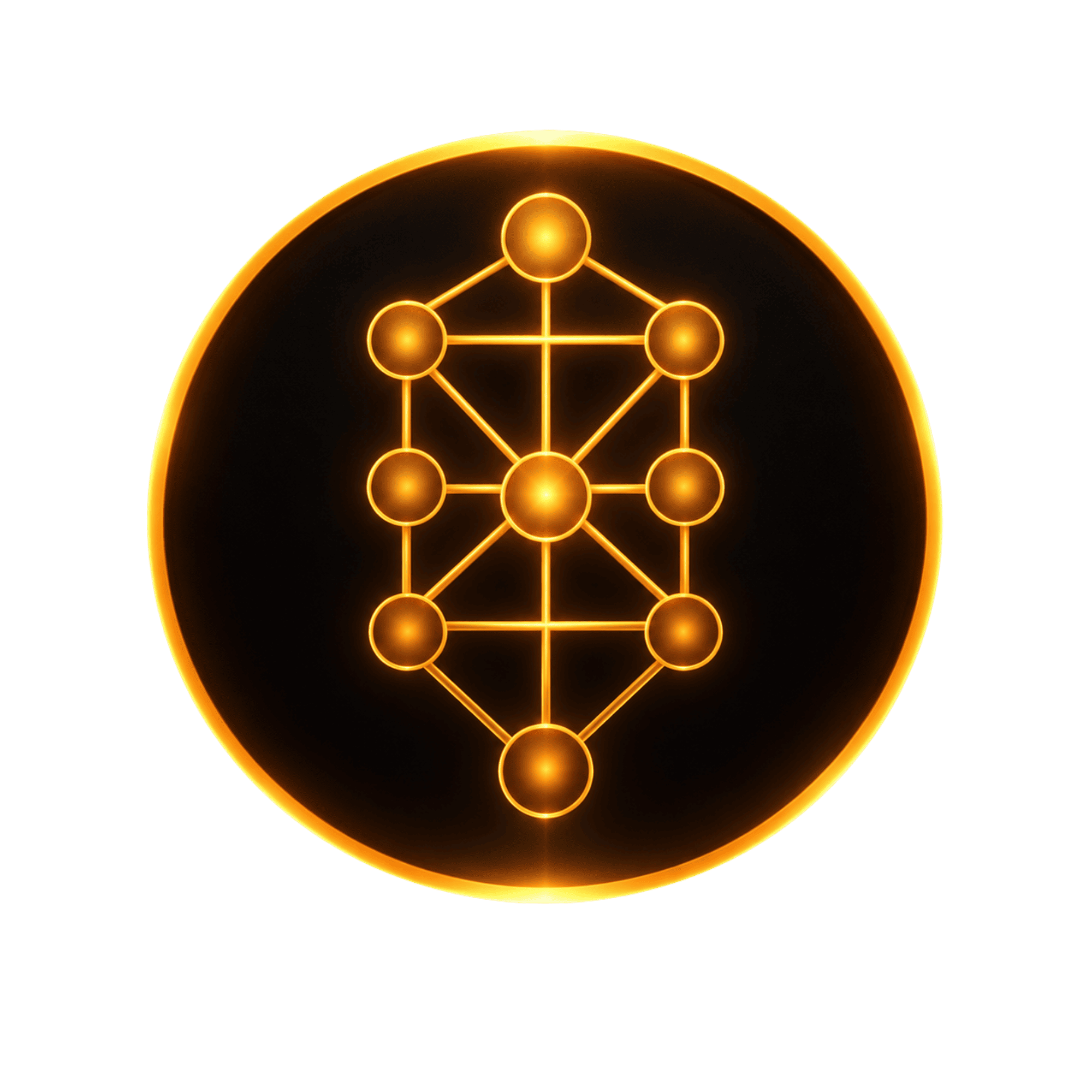
Kabbalah is a Jewish mystical tradition with a rich language of symbols and relationships. Tree of Life diagrams explore the sefirot within that religious context, inviting careful study of how the concepts connect.
What it examines
- The ten sefirot represented in tree diagrams
- Relationships between concepts in the Tree of Life
- The religious and historical context of the symbolism
What you’ll find in SUTRA⁵
Educational perspectiveSUTRA⁵ offers an educational introduction to Kabbalistic symbolism and its context. Use the guide to explore the diagrams and distinguish their traditional meaning from your own reflection. This topic is not a separate lens in the paid Life Map.
Chesed (loving-kindness) and Gevurah (strength and restraint) offer a specific pair to study in the Tree of Life. As a personal analogy, consider agreeing to help someone: “What can I offer generously, and what limits keep that commitment manageable?” This exercise is distinct from the concepts’ religious meaning.
The Individual at the Centre
Five Perspectives. One Journey.
Each tradition offers a different lens. Together, they create a broader journey of reflection and discovery.